


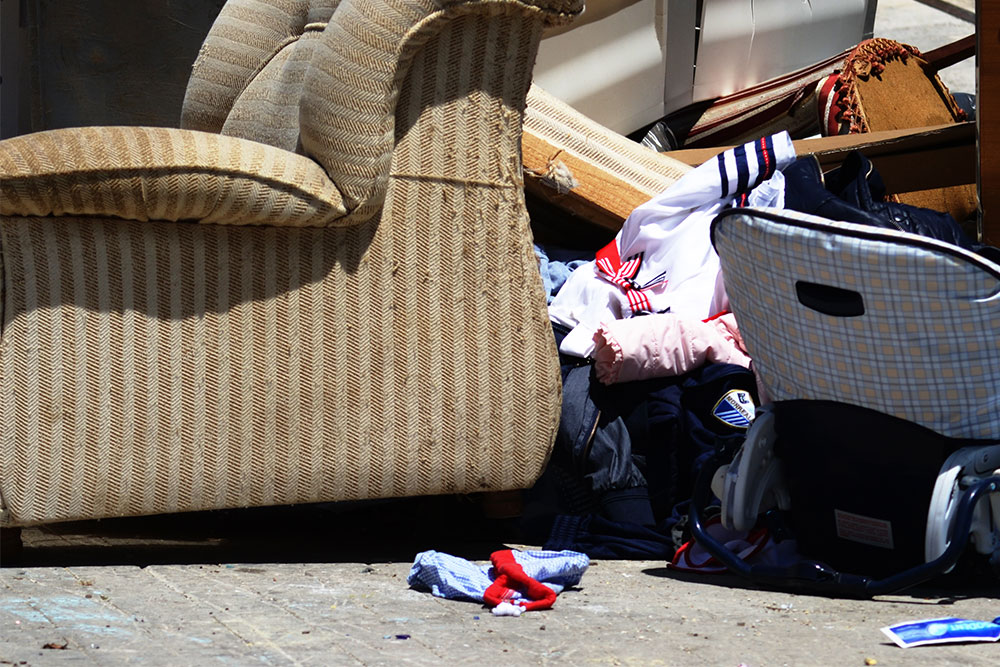
Americans replace millions of refrigerators, washers, ovens, and microwaves each year. What happens next is a test of the circular economy, where products are kept in use longer, materials are recovered at high value, and waste is minimized. Appliances are especially well suited to this approach. They are heavy in steel and copper, contain repairable parts, and, when handled correctly, can return a meaningful share of their materials to productive use. The best junk removal service in Minneapolis MN explains:
Step 1: Collection and First Sorting
The journey starts at the curb, a retailer, or a transfer station. Some retailers offer take‑back when they deliver a new unit. Many municipalities schedule bulky-item pick-ups. Private haulers fill the gaps, especially when stairs, tight spaces, or multiple items complicate the job. People often begin with a quick search such as junk removal near me to compare pickup timing and recycling options.
Once collected, appliances are triaged. Reusable units are separated from those destined for dismantling. A technician will check basics like compressors, motors, control boards, and door gaskets. If repair costs are reasonable and safety standards can be met, the appliance may be slated for refurbishment and resale or donation. That keeps the whole product in circulation longer, which is almost always the highest-value outcome.
Step 2: Safe Handling of Refrigerants and Electronics
Cold appliances require special care. Before any shredding or baling, certified handlers remove refrigerants from sealed systems and capture blowing agents trapped in insulation foam. These substances can be recovered for proper processing to avoid releasing them into the atmosphere.
Newer models typically use refrigerants with a lower global warming potential; older models may contain legacy gases that demand meticulous recovery. Smart features add another step. Wi‑Fi modules and memory chips may store user data, so reputable processors disable connectivity and clear stored settings before material recovery begins.
Also Read: Why Electronics Shouldn’t End Up in Landfills
Step 3: Dismantling and Material Recovery
After decommissioning, appliances are dismantled. High-value components come off first: copper windings from motors, compressors, brass fittings, aluminum trim, and stainless assemblies. The remaining steel cabinet and structural parts move to size reduction and magnet separation.
Steel usually represents the largest mass share in major appliances and can be recycled repeatedly without losing core properties. Copper and aluminum follow suit, feeding foundries and mills as inputs for new products, including new appliances.
Plastics require more attention. Some housings and interior parts are marked with resin codes that enable sorting and reprocessing. Others carry flame retardants or mixed fillers that limit reuse. Processors increasingly rely on near‑infrared scanners and better disassembly practices to raise yields. Where plastics cannot be recovered cleanly, they are diverted from the metals stream to avoid contamination.
Step 4: Refurbishment, Parts Harvesting, and Secondary Markets
Refurbishers keep the circular loop tight. A refrigerator with a faulty thermostat or worn gasket, a washer with a failing pump, a stove with a broken igniter can be repaired, tested for electrical safety, and resold with a limited warranty.
When a full repair is not practical, technicians harvest working parts for service inventories. This keeps other units running and reduces new parts manufacturing. Nonprofit outlets, university surplus stores, and community re‑use centers provide additional channels for safe, affordable appliances.
What Professional Haulers Actually Do
Full‑service teams do more than lift and load. They navigate stairwells without damaging walls, protect floors, disconnect water and gas lines properly, and coordinate with certified processors. Many provide documentation of recycling or donation for customers who request it.
When you compare providers of junk removal services, ask about where items go, not just how fast they can be removed. Transparent downstream partners are a strong signal that your appliances won’t end up in a landfill.
Costs, Convenience, and Transparency
Prices vary with weight, accessibility, and local processing fees. A single appliance on a ground‑floor pickup differs from a multi‑item haul from a third‑floor walk‑up. Be wary of quotes that seem too low without clarity on disposal.
Responsible handling has real costs, from refrigerant recovery to labor for careful dismantling. When researching junk removal prices, look for line‑item clarity, confirmation of certified handling for refrigerants, and any donation receipts provided after pickup.
Why Circularity for Appliances Works
Appliances offer a strong materials case: high steel content, concentrated copper, and standardized parts. They also offer a strong energy case. Recycling metals uses far less energy than producing them from virgin ore, which reduces emissions and conserves natural resources.
Add to that the benefits of reuse, where energy and materials embedded in the entire product are preserved, and the circular economy isn’t abstract at all. It’s practical, measurable, and visible in scrap yards, refurb shops, and homes that keep working equipment in service.
How Consumers Can Support the Loop
- Repair first when sensible. Many failures trace to affordable components like pumps, valves, switches, or sensors.
- Choose Energy Star models when replacing, and recycle the old unit through a certified channel.
- Clear personal data from connected appliances. Perform factory resets and remove app integrations.
- Remove doors from discarded refrigerators and freezers for safety if the unit is stored outside prior to pickup.
- Ask for downstream details. A reputable hauler should name the processors or charities they use.
- Consider refurbished. A tested, warrantied unit can deliver years of service while saving money and resources.
The circular economy comes to life when each decision keeps materials at high value. When scheduling a pickup with a junk removal MN service, do a quick check on process transparency, not just speed. Thoughtful choices send a clear market signal that reuse and high‑quality recycling matter, which helps the next generation of appliances start with better materials and a lighter footprint.